
Plain Washers
Plain Washers
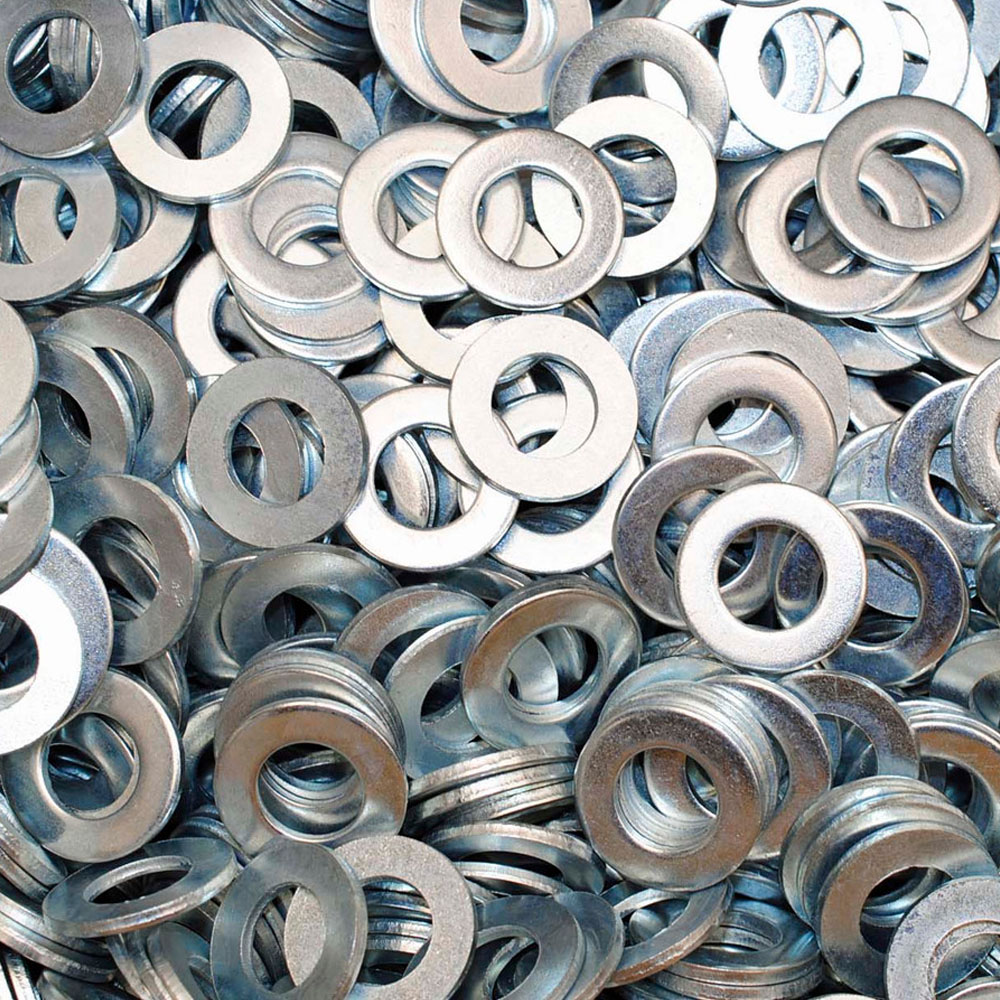
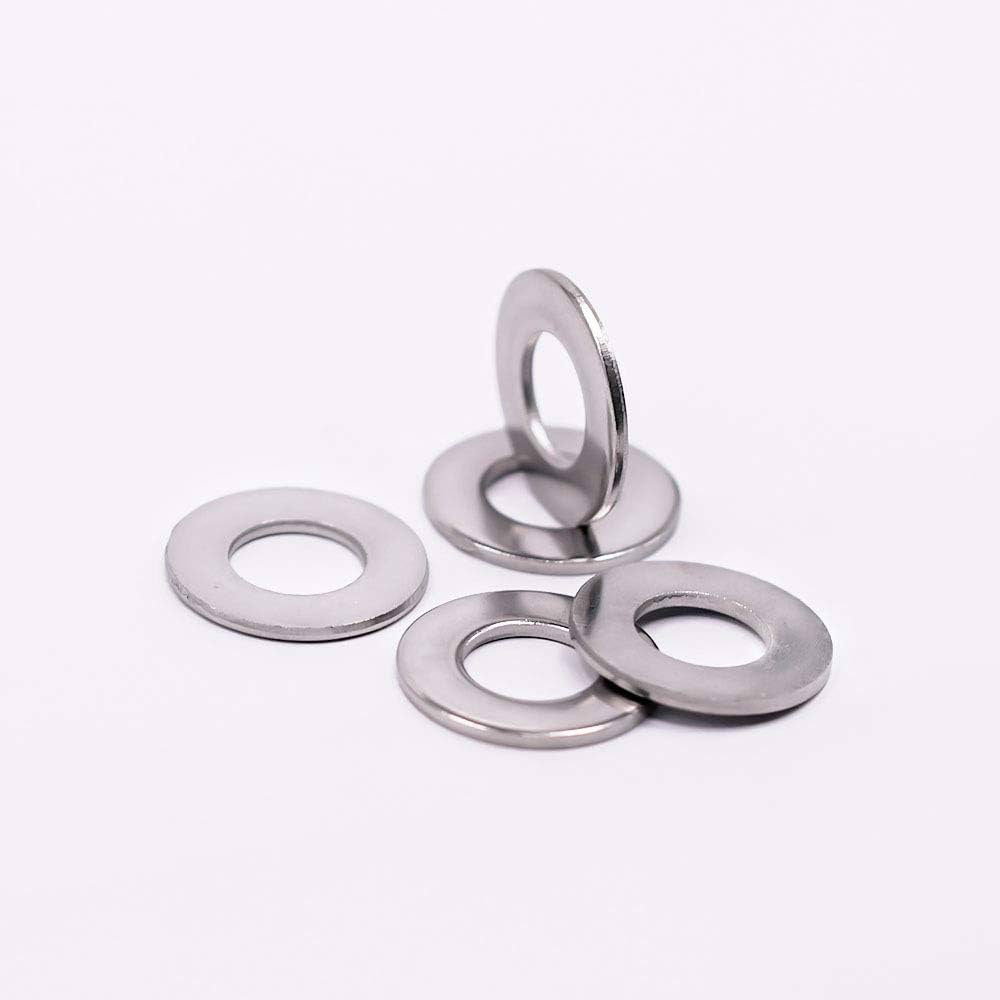
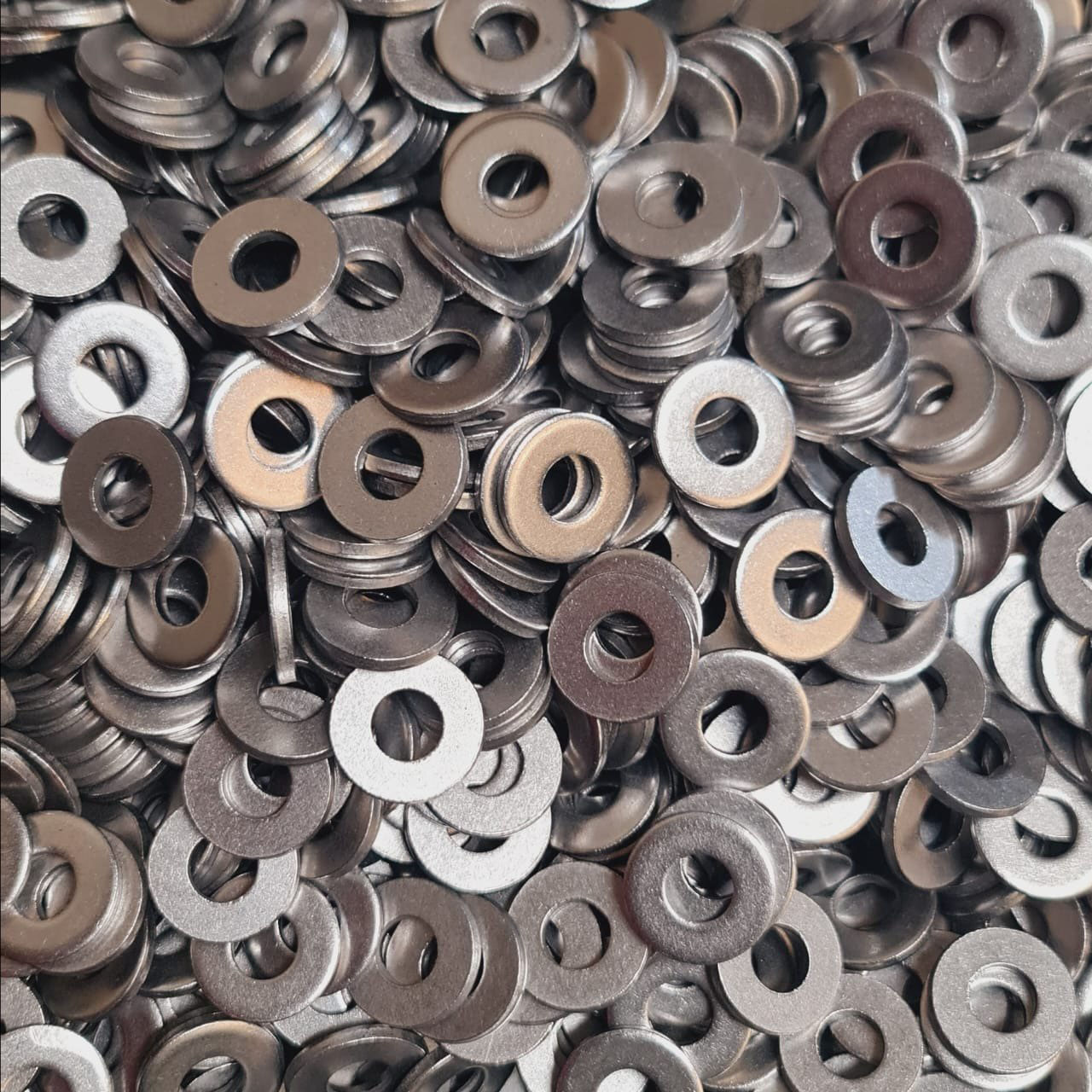
We are Exporter of Plain Washers worldwide. DIC offer a wide range of washers in various materials, sizes, and grades as per customer requirements. Our Washers are manufactured from high-grade raw materials to deliver optimal performance. These washers provide excellent load distribution. Our plain washers are produced using advanced technologies and stringent quality control measures, ensuring that they meet international standards and specifications. Plain washers, also known as flat washers, are essential components in fastening applications. Plain washers are easy to install, providing a quick solution for enhancing the performance of bolts and nuts in any application.
Plain washers are vital components that contribute to the integrity and reliability of fastening solutions. DIC provides plain washers in a variety of finishes, as per specifications. These washers are commonly used in construction, infrastructure projects, and industrial installations. We focus on precision, quality, and on-time delivery. These washers provide essential support and secure, and long-lasting installations.
“For more details about our Plain Washers or to request a custom quote, feel free to send an email to info@dicfasteners.com. ”
Frequently Asked Questions
01. What are plain washers and what types are available?
Plain washers are flat, thin discs used with bolts and nuts to distribute load and protect surfaces. They help prevent loosening and surface damage during fastening. Common types include standard flat washers, square washers, large-diameter washers, and metric or imperial washers.
02. What are the technical specifications of plain washers?
Plain washers are specified by inner diameter, outer diameter, thickness, and material type. Common materials include carbon steel, stainless steel, brass, and nylon. Specifications also cover surface finish, hardness, and load rating according to international standards.
03. Where are plain washers commonly used?
Plain washers are commonly used in automotive assemblies, machinery, and industrial equipment to distribute load evenly. They are widely applied in construction, steel structures, and infrastructure projects for secure fastening. Plain washers are also used in electrical panels, piping systems, and general manufacturing applications.
04. Can plain washers be customized?
Dedicated Impex Co. offers customized plain washers to meet specific industrial requirements. Customization options include size, thickness, material grade, surface finish, and coating. These tailored solutions ensure optimal performance for specialized loads, environments, and applications.
05. Do plain washers comply with international standards?
Yes, plain washers supplied by DIC Fasteners with international standards such as ISO, DIN, ANSI, and ASTM. These standards ensure accurate dimensions, material quality, and performance reliability. Compliance supports global usage and export requirements across industries.
06. How should plain washers be installed and maintained?
Plain washers should be installed between the nut or bolt head and the surface to ensure even load distribution. Ensure correct alignment and proper tightening to avoid deformation or slippage. Maintenance involves regular inspection for wear, corrosion, or damage. Replace washers if they show signs of bending or rust to maintain joint integrity.
07. How do plain washers compare with other washer types?
Plain washers should be installed between the nut or bolt head and the surface to ensure even load distribution. Ensure correct alignment and proper tightening to avoid deformation or slippage. Maintenance involves regular inspection for wear, corrosion, or damage. Replace washers if they show signs of bending or rust to maintain joint integrity.
08. Which structures benefit most from plain washers?
Plain washers benefit structural steel frameworks, bridges, and industrial machinery by evenly distributing fastening loads. They are widely used in pipelines, power plants, and heavy equipment assemblies. Plain washers also support building structures and infrastructure projects where secure and stable bolted joints are required.
09. Can plain washers handle heavy loads?
Yes, plain washers can handle heavy loads when manufactured from high-strength materials like hardened steel or alloy steel. They distribute pressure evenly across the surface, reducing stress on fastened components. Load capacity depends on washer size, thickness, and material grade used.
10. Can plain washers be supplied in bulk for OEMs?
Yes, Dedicated Impex Co. supplies plain washers in bulk quantities for OEMs and large-scale industrial users. Bulk supply options include customized sizes, materials, coatings, and packaging. This ensures consistent quality, cost efficiency, and reliable delivery for production needs.
Our Range of Washers
Contact us
Get in Touch with Us
Address
D-189, Industrial Focal Point, Patiala, 147003, Punjab (INDIA)