
Anchor Nuts
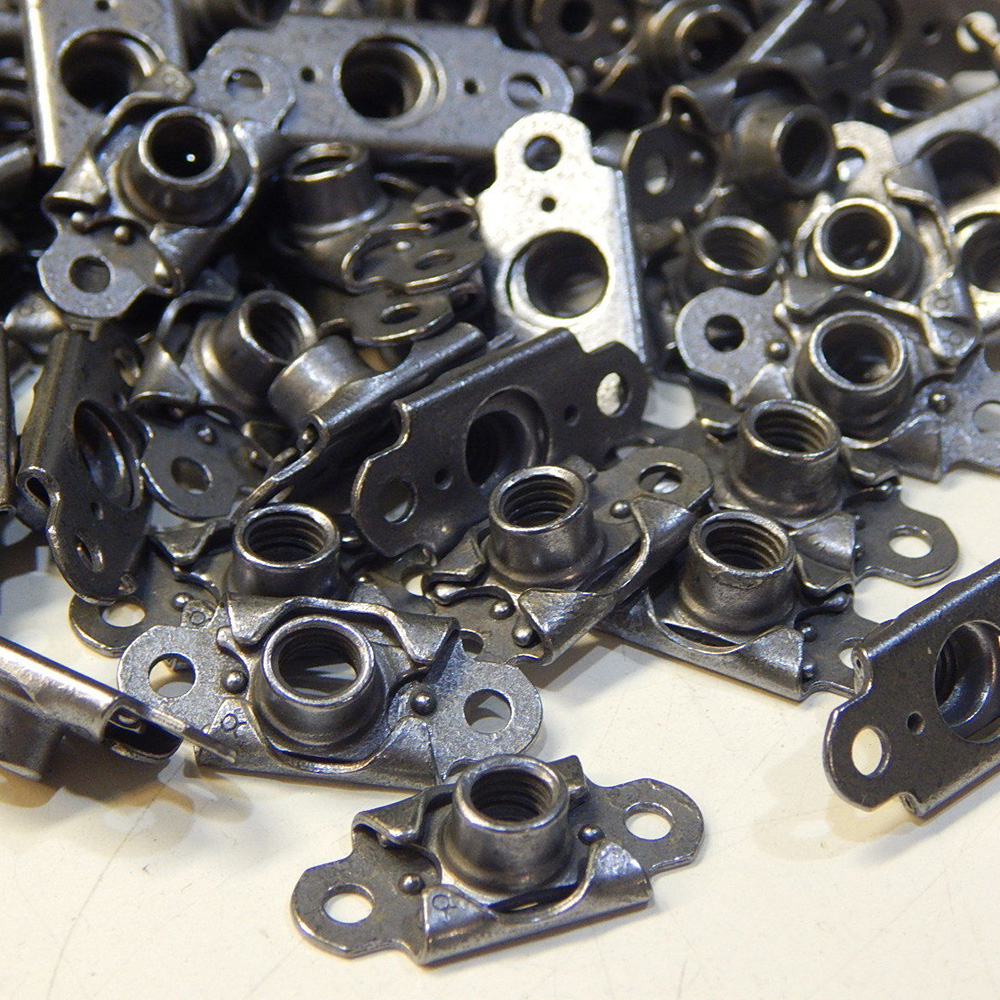
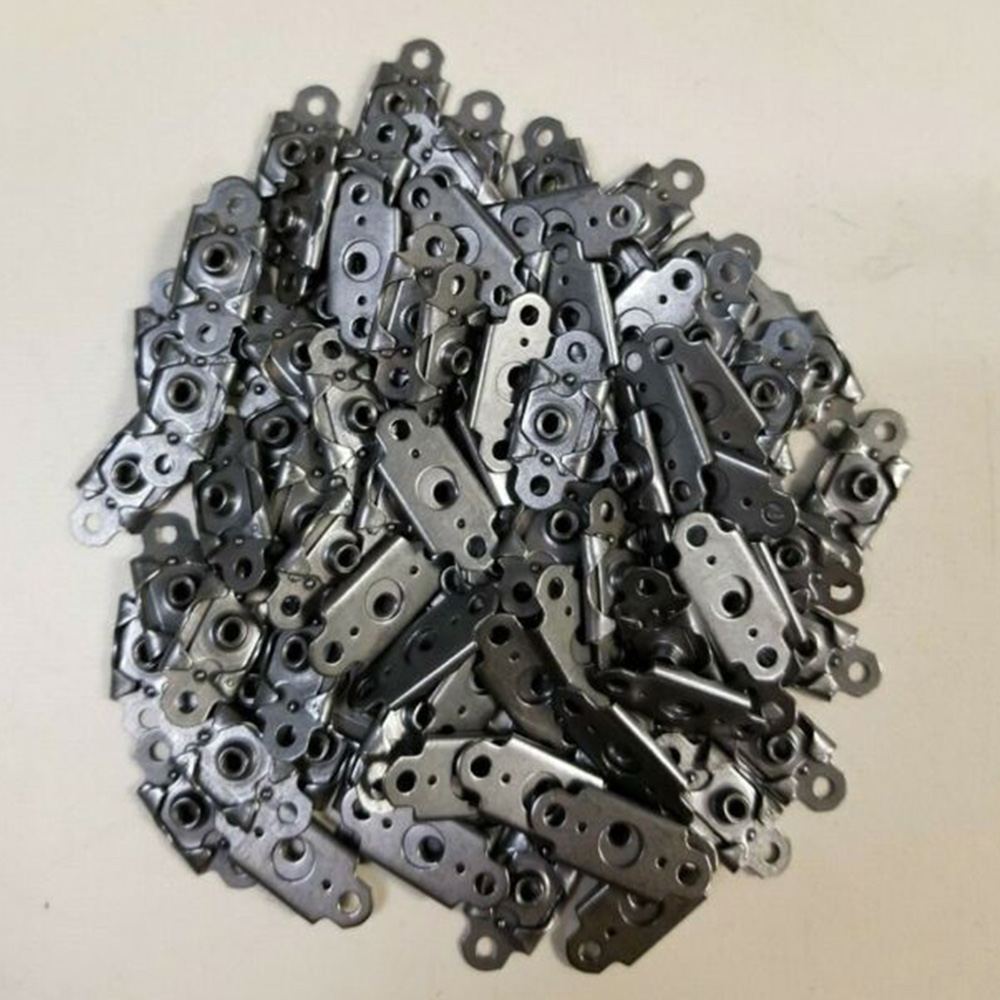
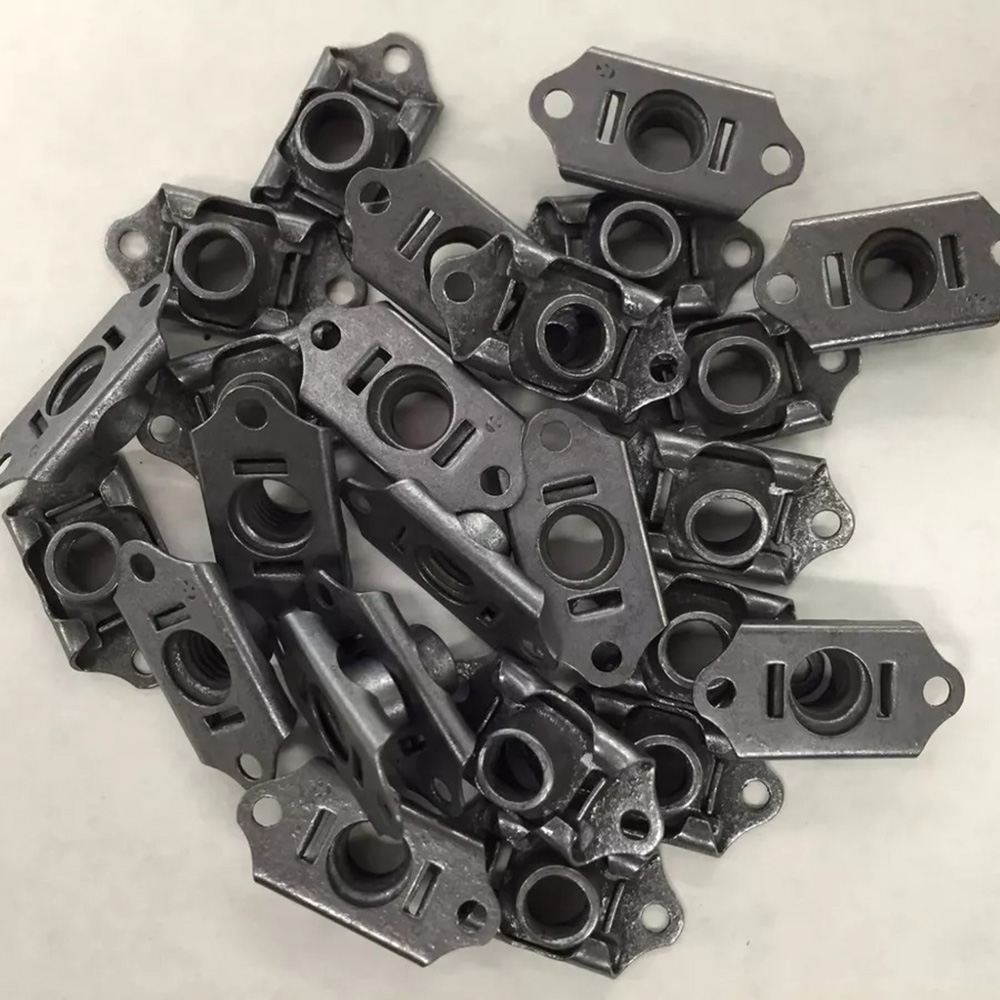
Anchor Nuts
DIC is a leading Exporters of Anchor Nuts, also known as floating anchor nuts due to their unique built-in nut design that allows for movement. We offer anchor nuts in a wide range of sizes and materials, ensuring they meet the exact specifications required by our customers. If you need anchor nuts for heavy-duty applications, DIC provides customizable solutions that comply with international standards. These anchor nuts offer a versatile and reliable fastening solution, providing a convenient connection point for threaded rods, especially in applications where traditional fasteners may struggle.
Anchor nuts are essential fasteners that offer unique features for secure and flexible fastening in various applications. Their floating design, durability, and ease of installation make them a preferred choice in many engineering and construction projects. As a trusted exporter, DIC is dedicated to providing high-quality fastening products that meet our customers’ requirements. Our anchor nuts are known for their versatility and superior performance, making them an excellent choice for industries like automotive, aerospace, and machinery.
If you have any questions or require more information about our anchor nuts, feel free to contact us today or Get A Quote !
Frequently Asked Questions
01. What are the technical specifications and load capacities?
Anchor nuts are rated by thread size, material grade, and tensile strength, with load capacities varying from light-duty to heavy-duty applications. Standard specifications include ISO, DIN, and ASTM ratings for mechanical performance. Load capacity depends on embedment depth, concrete strength, and nut type. Choosing the right specification ensures safety and structural integrity.
02. What applications and use cases do anchor nuts have?
Anchor nuts are widely used in structural steel assemblies, machinery mounting, precast concrete installations, and heavy equipment anchoring. They secure walls, columns, beams, and industrial frameworks. Industries such as construction, automotive, energy, and manufacturing rely on them. They are essential where vibration-resistant and high-strength fastening is required.
03. Can anchor nuts be customized?
Yes, anchor nuts can be customized to meet specific project and industry requirements. DIC Fasteners offers customization in size, thread type, material grade, and surface finish. Custom anchor nuts are designed to match load capacity, environmental conditions, and installation needs. This ensures better performance, safety, and compatibility for industrial applications.
04. How are anchor nuts installed, maintained, and supported?
Installation involves drilling or casting into concrete, inserting the nut, and tightening to specified torque. Maintenance is minimal but includes periodic inspection for corrosion or loosening. Technical support is available for correct selection, installation, and load testing. Proper handling ensures long-term performance and safety.
05. How do anchor nuts compare with other fasteners?
Compared to bolts or traditional nuts, anchor nuts provide superior load distribution, vibration resistance, and embedment in concrete or masonry. They reduce installation time and improve structural reliability. Ideal for heavy-duty industrial applications where standard fasteners may fail. Their durability and strength make them cost-effective over time.
06. Which structures commonly use anchor nuts?
Anchor nuts are used in commercial buildings, bridges, industrial plants, machinery bases, and precast concrete structures. They support heavy loads and provide secure, permanent fastening solutions. Their versatility allows use in both vertical and horizontal applications. Critical infrastructure projects rely on anchor nuts for safety and stability.
07. Can anchor nuts handle dynamic or vibration loads?
Yes, specially designed anchor nuts provide vibration-resistant fastening. High-strength steel and threaded inserts prevent loosening under dynamic loads. Common in machinery, bridges, and industrial equipment. Proper installation ensures long-term stability and safety.
08. Can anchor nuts be reused after removal?
Some anchor nuts, especially post-installed or threaded types, can be reused if they remain undamaged. Cast-in nuts are usually permanent. Proper inspection is required before reuse to maintain safety and load integrity. Reusable anchor nuts reduce costs in modular or temporary structures.
09. Can anchor nuts support heavy machinery and industrial equipment?
Yes, heavy-duty anchor nuts are designed for high-load applications including machinery bases, conveyor systems, and structural frameworks. They distribute loads evenly and withstand dynamic stresses. Proper installation ensures vibration resistance and safety. Essential for industrial and manufacturing facilities.
10. How do suppliers ensure consistent quality across large orders?
Quality control involves raw material testing, dimensional checks, and load testing. A reliable anchor nuts supplier uses standardized manufacturing processes. DIC Fasteners maintains strict inspection as an experienced anchor nuts supplier. This guarantees uniform performance across all shipments.
11. What pitch is available for this anchor nut specification?
This anchor nut is manufactured with a precise pitch of 1.50 mm. The pitch ensures smooth thread engagement and secure fastening. It supports consistent torque application during installation. This specification is suitable for industrial anchoring requirements.
12. What size range is offered for the outer diameter?
The outer diameter ranges from 90 mm to 130 mm. This size range supports heavy-duty and large-structure applications. It allows flexibility for different base materials and load conditions. Larger diameters provide improved anchoring strength.
Our Range of Nuts
Contact us
Get in Touch with Us
Address
D-189, Industrial Focal Point, Patiala, 147003, Punjab (INDIA)