
J Bolts
J Bolts
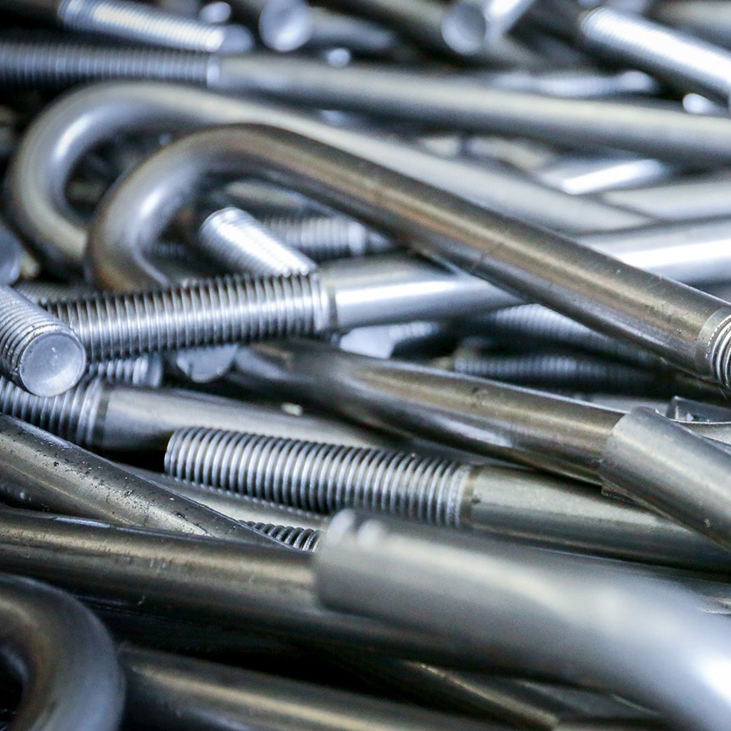
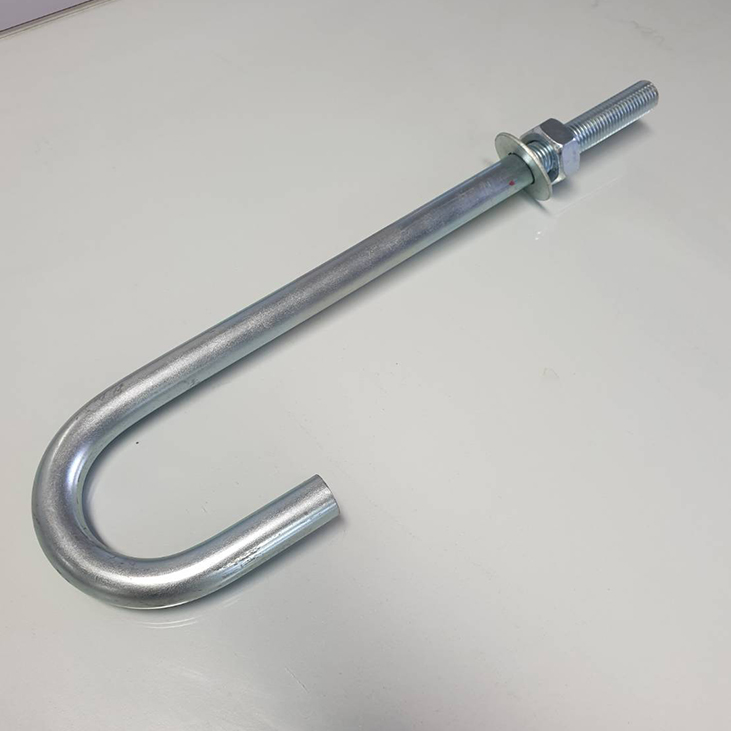
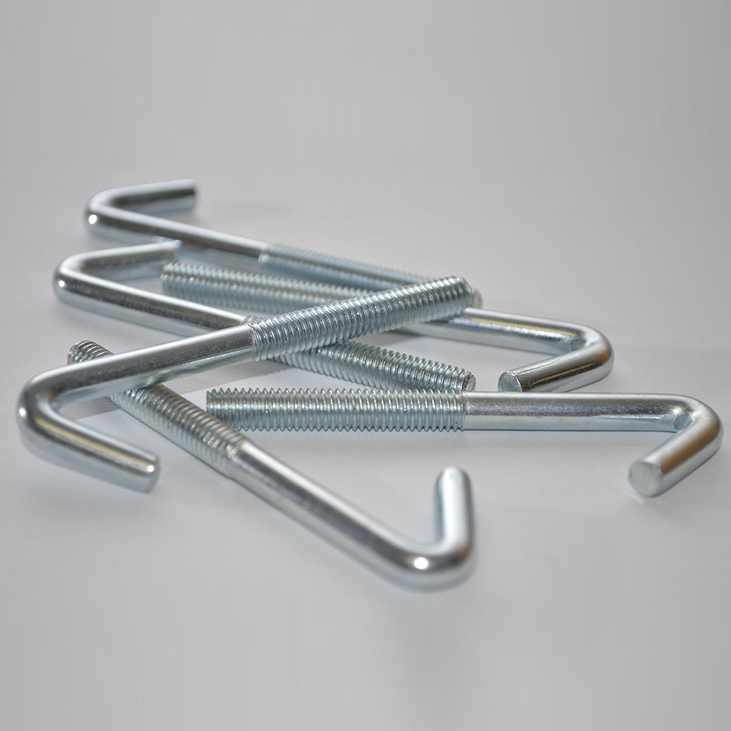
We are Exporter of high-quality J Bolts. J bolts are specially designed for secure fastening in various applications, providing reliable anchoring in concrete, wood, and other materials. J Bolts feature a unique J-shaped design that allows for easy installation and effective securing of components, making them ideal for construction, plumbing, and industrial uses.
At DIC, we offer J Bolts in different materials and sizes to meet the specific needs of our customers. They are available in various lengths and diameters, ensuring compatibility with a wide range of projects. J Bolts not only deliver exceptional strength but also enhance the durability of the fastening assembly by preventing injuries from sharp ends and resisting corrosion.
Our J Bolts can be coated with various finishes, including zinc plating, chrome plating, and black oxide, which improve both corrosion resistance and appearance. Whether your application requires a robust anchoring solution or aesthetic appeal, J Bolts are the perfect choice.
For more information or to discuss your project’s requirements, please contact us today or request a quote for customized solutions. DIC is committed to providing premium fasteners that meet your exact specifications.
Frequently Asked Questions
01. Why choose J bolts for construction applications?
J bolts offer superior anchoring strength and durability, especially in concrete structures. Their curved design ensures better hold compared to straight bolts. As a reliable fastening solution, they are preferred by contractors and engineers for long-lasting performance in heavy-duty construction and infrastructure projects.
02. What materials are used to manufacture J bolts?
J bolts are manufactured using high-quality materials like carbon steel, stainless steel, alloy steel, and mild steel. These materials ensure excellent strength, corrosion resistance, and durability. The material selection depends on application requirements such as load capacity, environmental conditions, and project specifications.
03. Are custom J bolts available as per project requirements?
Yes, custom J bolts are available in various sizes, lengths, diameters, and thread types to meet specific project needs. Manufacturers offer customization based on drawings or samples, ensuring precise fitment and performance for industrial, construction, and engineering applications across different industries worldwide.
04. What sizes are available in J bolts?
J bolts are available in a wide range of sizes, typically from M3 to M60 in metric and various imperial sizes. Lengths and diameters can be customized based on project specifications, making them suitable for light-duty to heavy-duty applications in construction and industrial sectors.
05. What surface finishes are available for J bolts?
J bolts come with various surface finishes like zinc plating, hot-dip galvanization, black oxide, and powder coating. These finishes enhance corrosion resistance and improve durability, making the bolts suitable for outdoor, marine, and harsh environmental conditions where long-term performance is required.
06. How do J bolts improve structural stability?
J bolts provide strong anchoring by embedding into concrete, preventing movement or loosening of structures. Their curved shape ensures firm grip, enhancing stability and load-bearing capacity. This makes them essential components in construction projects where safety and structural integrity are critical factors.
07. What standards do J bolts comply with?
J bolts are manufactured according to international standards such as DIN, ISO, ASTM, BS, and IS. Compliance with these standards ensures consistent quality, strength, and reliability, making them suitable for global projects and meeting the expectations of engineers and contractors worldwide.
08. What is the difference between J bolts and anchor bolts?
J bolts are a type of anchor bolt with a curved “J” shape for better grip in concrete. While anchor bolts come in various shapes, J bolts are specifically designed for enhanced anchoring strength and are commonly used in foundation and structural applications.
09. Can J bolts handle heavy loads?
Yes, J bolts are designed to handle heavy loads, especially when made from high-strength materials like alloy steel or carbon steel. Their anchoring design allows them to distribute load effectively, making them suitable for heavy-duty construction, industrial machinery, and infrastructure projects.
10. Why choose a reliable J bolts exporter or manufacturer?
Choosing a reliable J bolts exporter ensures high-quality products, timely delivery, and customization options. Experienced manufacturers follow strict quality standards, offer competitive pricing, and provide technical support, helping businesses achieve better project outcomes and ensuring customer satisfaction in global markets.
Our Range of Bolts
Contact us
Get in Touch with Us
Address
D-189, Industrial Focal Point, Patiala, 147003, Punjab (INDIA)