
Anchor Bolts
Anchor Bolts
DIC a leading exporter of anchor bolts in India, committed to delivering high-quality, precision-engineered bolts to our customers. Our anchor bolts are available in a variety of sizes and materials to meet the specific needs of different applications.
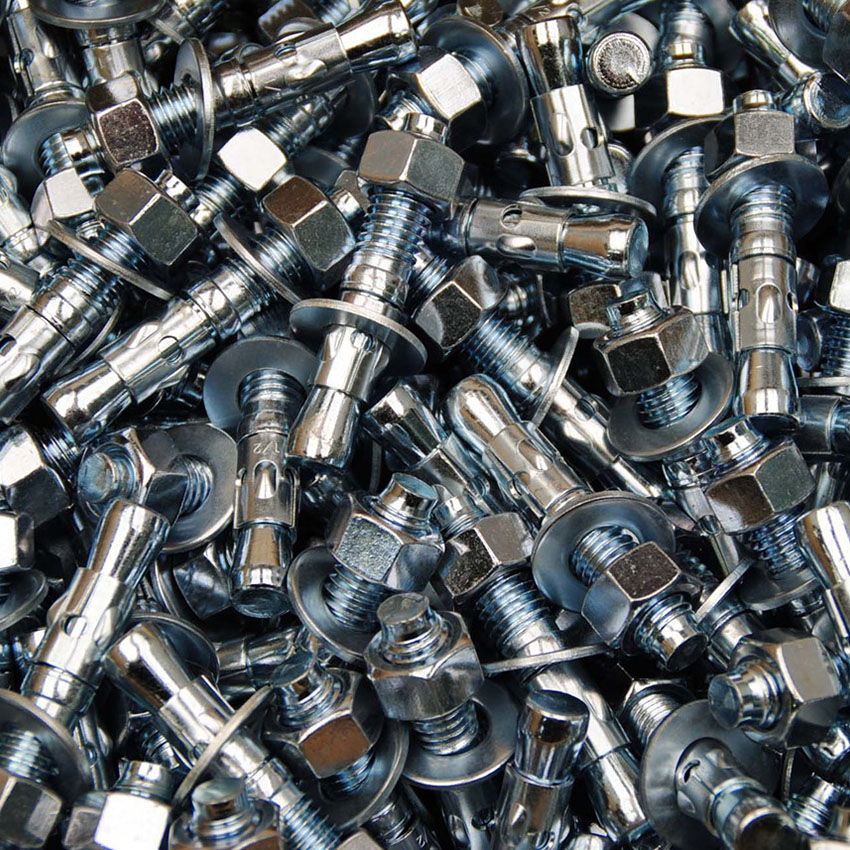
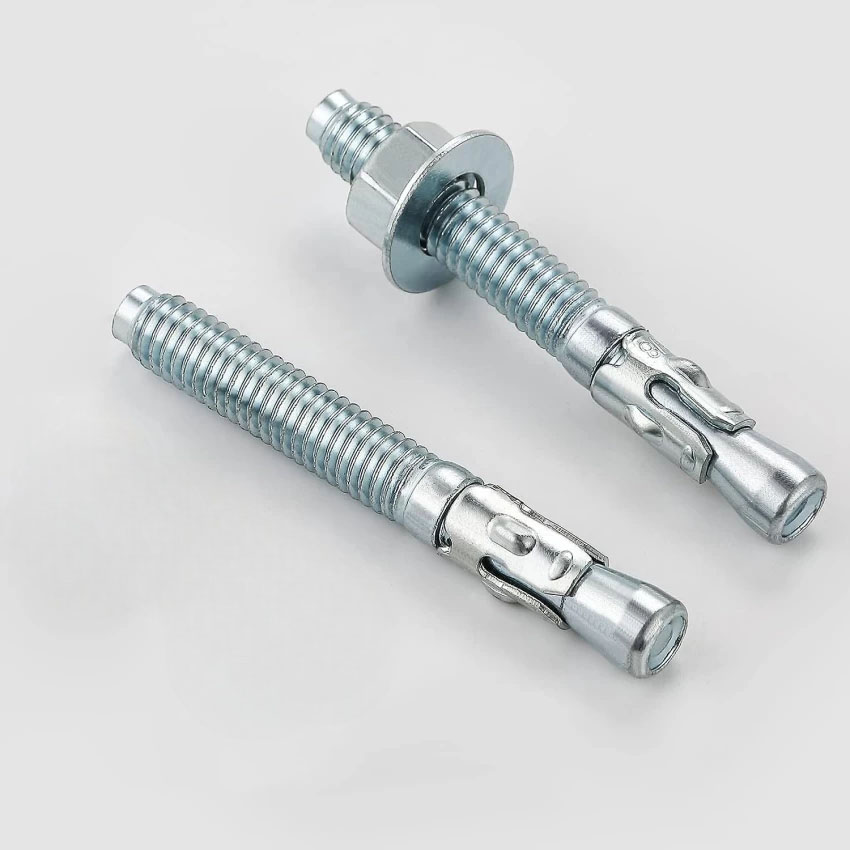
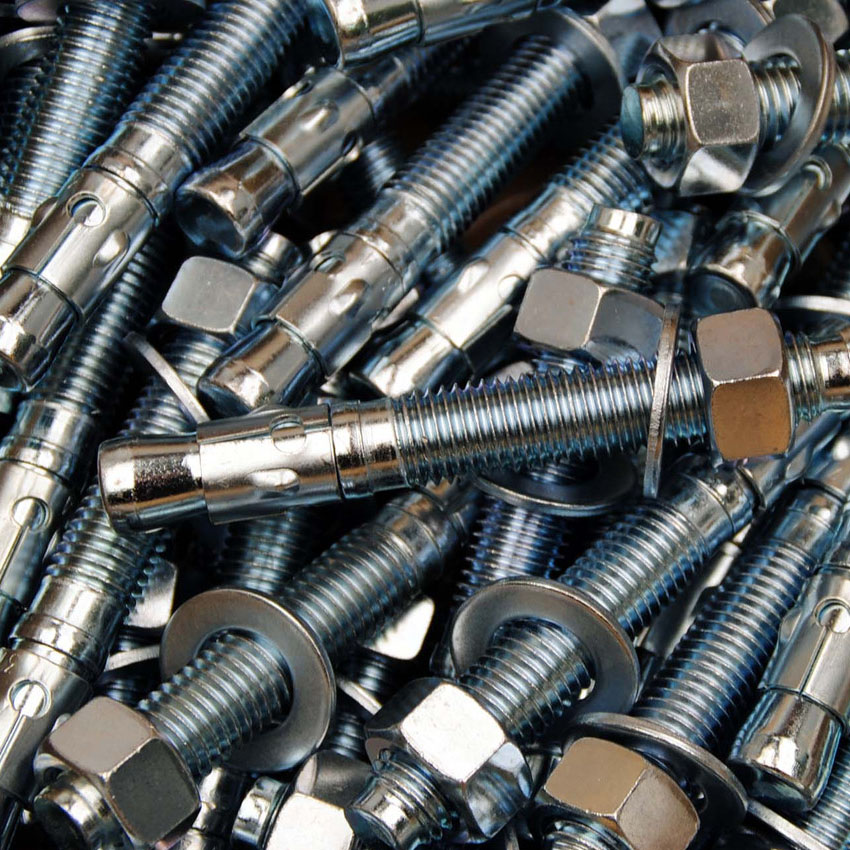
We offer anchor bolts in various designs, including wedge anchors, sleeve anchors, split drive anchors, and stud anchors. These bolts are suitable for both internal and external applications, ensuring secure and reliable fastening. DIC anchor bolts are available in both metric and imperial sizes to accommodate diverse project requirements. We offer a range of materials, including carbon steel, stainless steel, and other alloys, each chosen for their durability and suitability for specific applications. DIC anchor bolts offer versatility and performance for any application. We prioritize precision manufacturing, on-time delivery, and excellent customer service to ensure complete satisfaction with our fastening solutions.
DIC anchor bolts are perfect for use in construction, infrastructure projects, and industrial installations. With a focus on precision, quality, and on-time delivery, DIC ensures that every anchor bolt we supply meets the demands of your project, ensuring safe, secure, and long-lasting installations.
“Contact Us today to learn more about our products, request a quote, or discuss your specific requirements”
Frequently Asked Questions
01. What materials are anchor bolts made from?
Anchor bolts are typically manufactured from carbon steel, stainless steel, or alloy steel. Stainless steel offers corrosion resistance, while high-grade carbon steel provides strength. Material selection depends on environmental conditions, load requirements, and application, ensuring durability and long-term performance in various industries.
02. What are the different types of anchor bolts?
Common types include L-shaped anchor bolts, J-bolts, wedge anchors, sleeve anchors, and straight foundation bolts. Each type is designed for specific applications, such as heavy structural support or light fixtures, depending on load capacity, installation method, and base material.
03. What is the standard size range of anchor bolts?
Anchor bolts are available in sizes ranging from M3 to M20 or larger, with lengths from 3mm to 200mm or customized options. The size depends on load requirements, structural design, and installation conditions, ensuring proper anchoring strength and safety.
04. What standards do anchor bolts follow?
Anchor bolts are manufactured according to international standards such as DIN, ISO, ASTM, BS, JIS, and IS. These standards ensure quality, dimensional accuracy, strength, and reliability, making them suitable for global construction and industrial applications.
05. How do you install anchor bolts in concrete?
Anchor bolts are installed by embedding them into wet concrete or drilling holes into hardened concrete and securing them with adhesives or expansion mechanisms. Proper alignment, depth, and curing time are essential to achieve maximum holding strength and structural stability.
06. Can anchor bolts be customized?
Yes, Dedicated Impex Co. offers customized anchor bolts in terms of size, shape, threading, coating, and material. Customization ensures they meet specific project requirements, providing perfect compatibility with structural designs, required load capacities, and environmental conditions for reliable and long-lasting performance.
07. How do you choose the right anchor bolt?
Selecting the right anchor bolt involves considering load requirements, base material, environmental conditions, bolt size, and installation method. DIC Fasteners recommends following engineering standards and specifications to ensure the correct selection for maximum safety, durability, and optimal performance in construction and industrial applications.
08. Why is corrosion resistance important for anchor bolts?
Corrosion resistance is essential to prevent rust and material degradation, especially in outdoor or humid environments. Using coated or stainless-steel anchor bolts ensures longevity, structural integrity, and reduced maintenance costs over time.
Our Range of Bolts
Contact us
Get in Touch with Us
Address
D-189, Industrial Focal Point, Patiala, 147003, Punjab (INDIA)